
It's probably the most consumed foods in the world, yet many of us don’t know what its origin is. My mom used to inform me that broken rice was consumed largely by the poorest individuals because they could not afford regular rice. Every single model of white rice is different, so the quantity of water you will have can be different. This methodology requires paddy-discipline farming methods to manage water levels like constructing terraces, canals, bunds and reservoirs. In the e book Farming While Black, Leah Penniman highlights that the economies of the early American colonies within the seventeenth century had been constructed on the ancestral data of rice cultivation from Wolof, Mandinka, Baga, Mende and Tenne individuals. Broken rice in the American South is called "rice grits" or "middlins" and was launched to the region by the use of enslaved West Africans. To clear the way in which for rice plantations on the Carolina coast, swamplands needed to be smoothed to create appropriate rice plains.
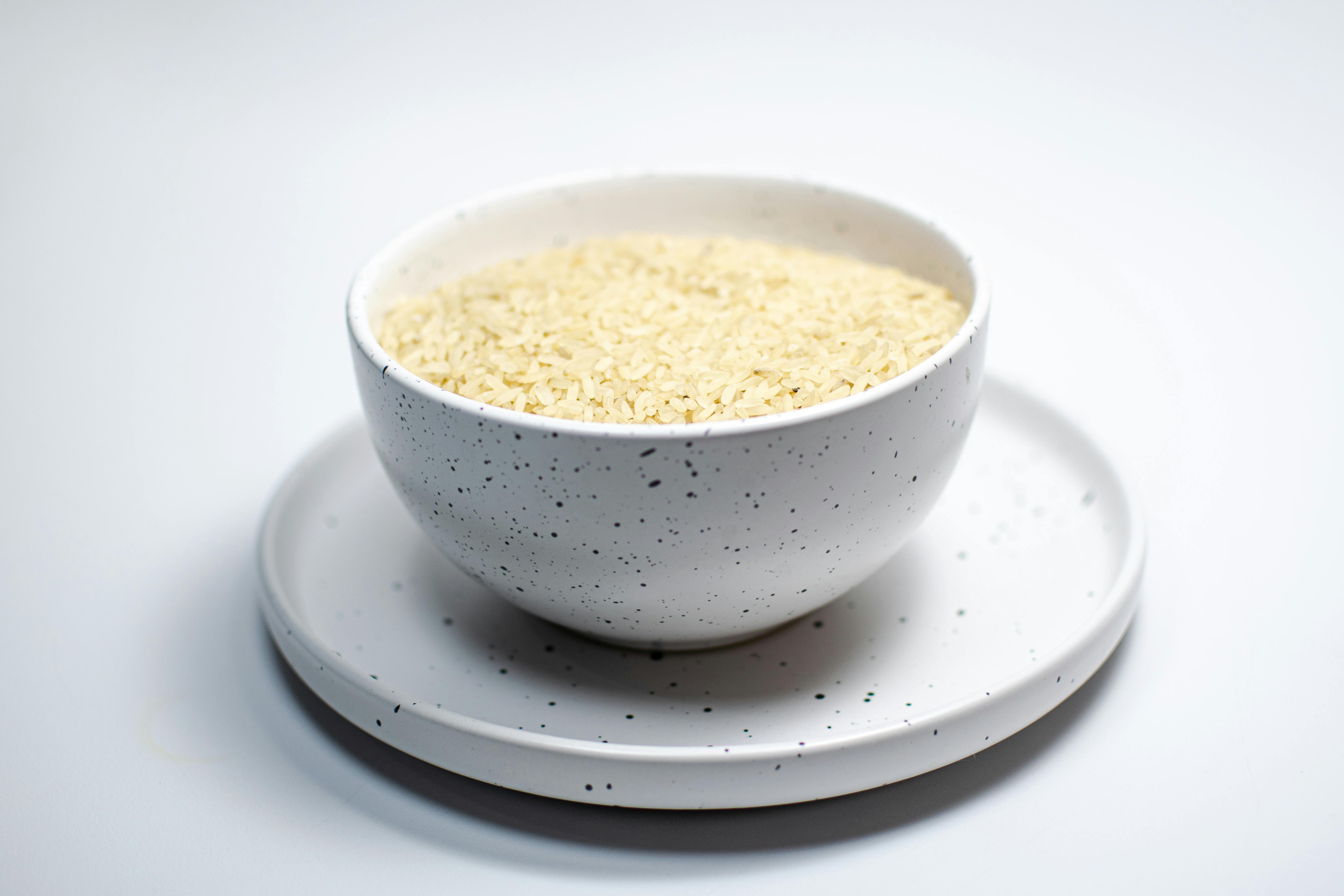 Broken rice is just as nutritious as the equal complete rice, only a strategy to reminisce the past! The time period "com tam" refers to Vietnamese broken rice, and is commonly used to explain the whole category of Vietnamese rice dishes. Whole rice is regarded as the primary product for sale and broken rice is considered secondary and fewer fascinating. Women performed a major position within the creation of the rice financial system and preserving tradition amongst Gullah Geechee folks. At the same time, the United States actively targeted the warehouses and transportation routes, which destroyed main food distribution channels for native communities. This stigma shifted as more rural populations migrated to major cities, significantly after the end of the Vietnam War in 1975. Since transferring to and present in city settings was usually pricey, many maintained their staple of broken rice to save lots of money. These layers of our foodways must be extra seen, and it begins with us asking crucial questions. Ironically in Western nations like the US, broken rice is often more expensive than regular rice.
 This course of yielded broken rice, which many plantation house owners didn't like for commercial gross sales. Broken rice tastes the identical as common rice, but as a result of they are smaller than long grain rice, the texture is a bit completely different. Although the origin stories of those two species exist on separate continents, their histories are linked by narratives of survival, nourishment and colonization as Vietnamese farmers and enslaved West Africans were pressured to develop export commodities like rice, indigo and cotton. Worldwide, there are only two species of cultivated rice: African rice (Oryza glaberrima) and Asian rice (Oryza sativa). In fact, upward of two million Vietnamese folks died of hunger throughout an important famine in 1945. Rice yields were drastically low as farmers were pressured by the French and Japanese to grow inedible cash crops like jute (fiber), indigo (dye) and cotton. Both have been developed independently from one another, and today, all of the world’s domesticated rice might be traced to these two species, making up 120,000 varieties. In this latter step, the husk and bran layers will be removed, which turns brown rice into white rice. I personally liked com suon or Vietnamese broken rice served with grilled pork.
This course of yielded broken rice, which many plantation house owners didn't like for commercial gross sales. Broken rice tastes the identical as common rice, but as a result of they are smaller than long grain rice, the texture is a bit completely different. Although the origin stories of those two species exist on separate continents, their histories are linked by narratives of survival, nourishment and colonization as Vietnamese farmers and enslaved West Africans were pressured to develop export commodities like rice, indigo and cotton. Worldwide, there are only two species of cultivated rice: African rice (Oryza glaberrima) and Asian rice (Oryza sativa). In fact, upward of two million Vietnamese folks died of hunger throughout an important famine in 1945. Rice yields were drastically low as farmers were pressured by the French and Japanese to grow inedible cash crops like jute (fiber), indigo (dye) and cotton. Both have been developed independently from one another, and today, all of the world’s domesticated rice might be traced to these two species, making up 120,000 varieties. In this latter step, the husk and bran layers will be removed, which turns brown rice into white rice. I personally liked com suon or Vietnamese broken rice served with grilled pork.
It’s sometimes served on a plate alongside bì heo (shredded pork pores and skin), grilled pork chop (thịt sườn nướng), and chả trứng hấp (steamed pork-egg meatloaf). It’s believed that rice from such a backyard was appropriated by white colonizers to cultivate the early rice fields of South Carolina. It’s odd to suppose how those who grow meals for us may not have sufficient to eat themselves. Sometimes we’ll have cha trung hap with the rice, and sometimes we won’t. Enslaved West Africans used broken rice to make purple rice, a staple dish in Gullah Geechee cuisine that is just like jollof rice in Nigeria, Mali and Ghana, or riz gras in Burkina Faso. Since Gullah Geechee folks had been enslaved on isolated island and coastal plantations, distinctive cultures emerged together with foodways, language, artwork and music. The Gullah Geechee individuals are descendants of enslaved West Africans who developed and labored the plantations that grew rice, indigo and cotton on the lower Atlantic Coast.