
Multi-Asset Trading: A Comprehensive Overview
페이지 정보

본문
Multi-asset trading refers to the investment strategy that involves trading various asset classes, including stocks, bonds, commodities, currencies, and derivatives, within a single portfolio. This approach aims to diversify investments, manage risk, and enhance returns by leveraging different market conditions and asset performances. In recent years, multi-asset trading has gained significant popularity among both institutional and retail investors, driven by technological advancements, increased market accessibility, and the quest for more sophisticated investment strategies.
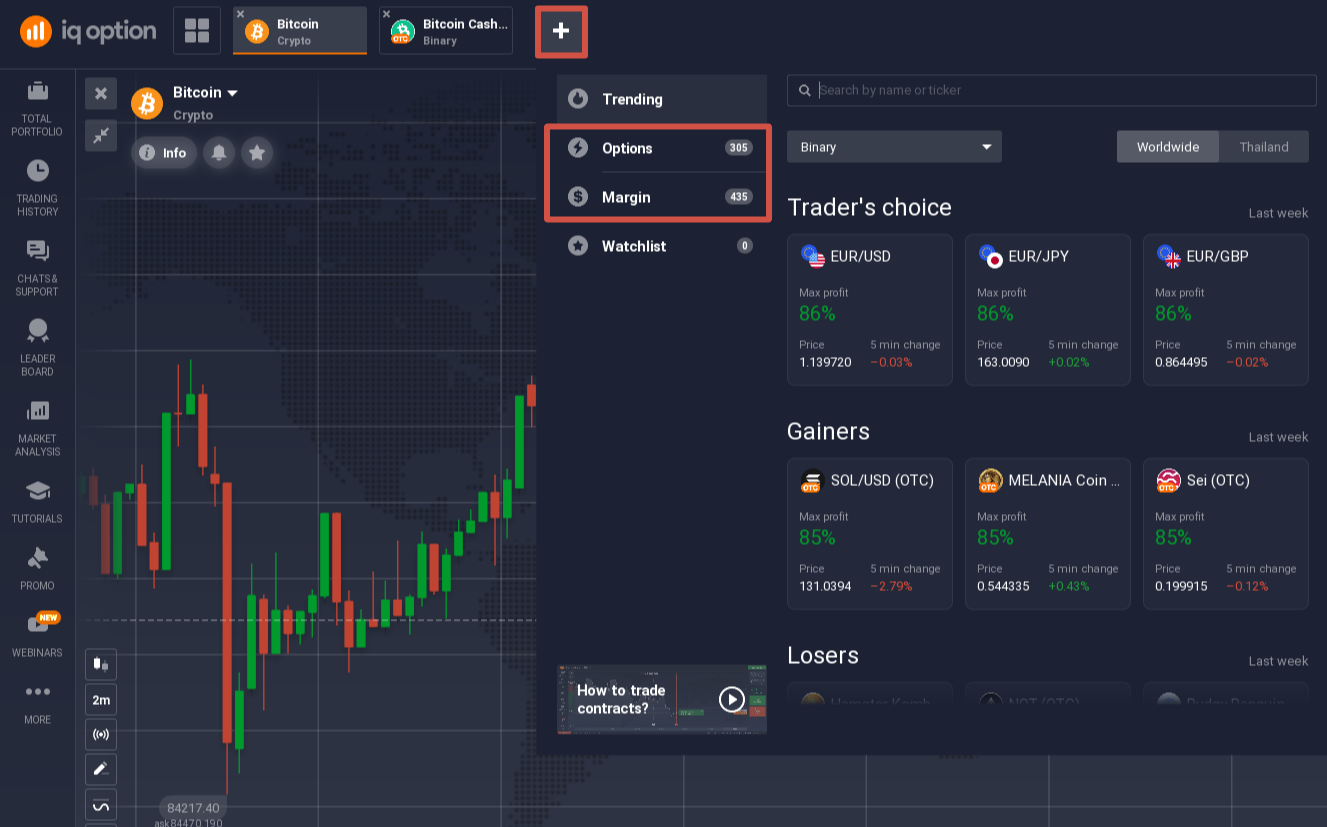
Understanding Multi-Asset Trading
At its core, multi-asset trading is about creating a balanced investment portfolio that can withstand market volatility and economic fluctuations. By investing in different asset classes, traders can benefit from the unique characteristics and behaviors of each market. For example, while equities may provide growth potential, bonds can offer stability and income. Commodities, such as gold and oil, can serve as a hedge against inflation or currency devaluation. By combining these assets, traders can achieve a more resilient portfolio.
The Benefits of Multi-Asset Trading
- Diversification: One of the primary advantages of multi-asset trading is diversification. By spreading investments across various asset classes, traders can reduce the overall risk of their portfolio. If one asset class underperforms, others may compensate, leading to more stable returns.
- Risk Management: Multi-asset strategies allow traders to manage risk more effectively. By analyzing correlations between different assets, traders can identify which assets may move in tandem and which may provide a hedge against losses. This understanding helps in constructing a portfolio that aligns with an investor's risk tolerance.
- Enhanced Returns: آي كيو أوبشن مراجعات Multi-asset trading can lead to enhanced returns by capitalizing on opportunities across different markets. Traders can shift their focus to asset classes that are expected to perform well in various economic conditions, allowing for better performance than a single-asset strategy.
- Flexibility: Multi-asset trading offers flexibility in adjusting investment strategies based on market conditions. Traders can quickly shift allocations between asset classes to take advantage of short-term market movements or long-term trends.
Strategies in Multi-Asset Trading
There are several strategies that traders can employ in multi-asset trading, each with its own objectives and methodologies:
- Strategic Asset Allocation: This long-term approach involves setting a target allocation for different asset classes based on an investor's risk profile and investment goals. The portfolio is periodically rebalanced to maintain these target allocations.
- Tactical Asset Allocation: Unlike strategic allocation, tactical asset allocation allows for short-term adjustments based on market conditions. Traders may increase exposure to certain asset classes that are expected to outperform in the near term while reducing exposure to underperforming assets.
- Dynamic Asset Allocation: This strategy involves continuously adjusting the asset mix based on market trends and economic indicators. Traders actively manage their portfolios, seeking to optimize performance in response to changing market dynamics.
- Risk Parity: This approach focuses on balancing risk across different asset classes rather than allocating based on capital. By equalizing risk contributions from each asset, traders aim to achieve more stable returns over time.
Challenges in Multi-Asset Trading
While multi-asset trading offers numerous benefits, it is not without its challenges. Some of the key challenges include:
- Complexity: Managing a multi-asset portfolio can be complex, requiring a deep understanding of various markets and asset behaviors. Traders must stay informed about global economic trends, geopolitical events, and market correlations.
- Costs: Multi-asset trading may involve higher transaction costs due to the need for frequent rebalancing and the management of diverse assets. Traders must consider these costs when evaluating the potential benefits of their strategies.
- Market Volatility: While diversification can reduce risk, it does not eliminate it entirely. During periods of extreme market volatility, correlations between asset classes may increase, leading to potential losses across the portfolio.
Conclusion
Multi-asset trading has emerged as a powerful investment strategy that allows traders to navigate the complexities of modern financial markets. By diversifying across various asset classes, investors can enhance returns, manage risk, and achieve greater portfolio stability. However, it requires a comprehensive understanding of different markets and the ability to adapt to changing economic conditions. As technology continues to evolve, making multi-asset trading more accessible, it is likely that its popularity will continue to grow, offering new opportunities for investors seeking to optimize their portfolios.
- 이전글mole-removal-in-newcastle 26.07.01
- 다음글Do You Need to Pay Off Your Car Before Getting a Auto Repair Loan 26.07.01
댓글목록
등록된 댓글이 없습니다.