
Popular Science Monthly/Volume 74/March 1909/The Electric Operation Of…
페이지 정보
작성자 Williemae Mathi… 작성일 26-06-03 18:54 조회 2,628 댓글 0본문
The presence of the third rail or trolley and the transmission line all through the proper of means is in itself a sure supply of hazard. An additional source of disturbance by electrical operation is the interference by electrostatic and electromagnetic induction between the transmission conductors and the telegraph and phone lines within the vicinity. So dependable has this method of suspension come to be regarded that it's now typically used for crossings of telegraph, phone and transmission wires rather than the standard cradle or community of wires stretched between the 2 lines. The values of voltage now advocated for railway and transmission work have caused appreciable criticism and opposition. The direct present motor operates at about 600 volts and thus fixes the worth of the voltage on the trolley or third rail. While sure traits of the alternating present system reduce this theoretical value fairly materially, the achieve on this respect is nevertheless monumental, and the space between feeding factors increases to between thirty and fifty miles, depending on the density of the visitors. The worth of alternating currents was not appreciated, nonetheless, as the rules of transformation and their value for transmission were not understood. The danger from this supply, however, has been overestimated, and the danger of shock from a high voltage trolley is virtually eliminated by the fashionable strategies of suspension.
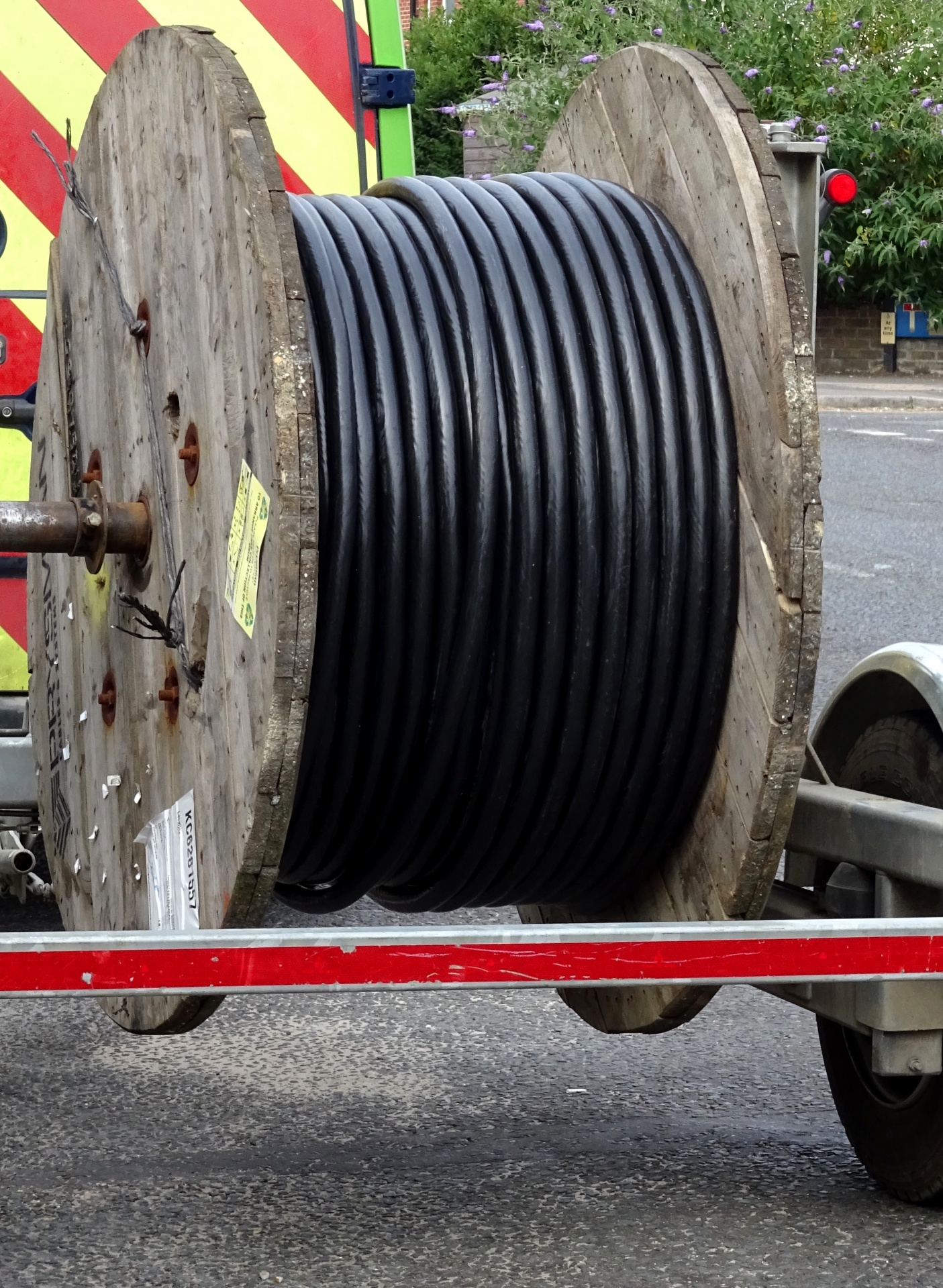 The voltage being mounted, the whole vitality at a car is proportional to the current. It operates with out transformers on the automobile with trolley voltages as much as 5,000 and in coasting it returns energy to the line mechanically, its motors appearing as generators. These strategies consist in supplementing the precise trolley conductor with a number of steel cables for increasing the tensile energy of the overhead building. The condensers are merely used to sharpen the action of the present, and render the indicators extra concise and distinct on lengthy cables. The paraffined cables are, however, significantly cheaper, though their sturdiness has not but been proved. In 1858 the administration determined to return to gutta-percha-covered cables laid in lead tubes. It is interesting in this connection to consider the impact of this gas saving on the full coal supply of the country. The gasoline consumption of all of the locomotives on this country in 1905 was about 52,000,000 tons, what is electric cable which was about one eighth of the total coal manufacturing of that year. It's to be famous, nevertheless, that the price of fuel alone is simply about 12 per cent, of the full cost of operation; therefore, a saving in this respect can be solely 6 per cent, of the full working expense.
 Within the kindred items of firemen, roundhouse males and other expense peculiar to the steam locomotive a further saving of about 5 per cent, is possible. This method of subdivision, however, just isn't so readily doable within the transmission and conducting methods leading power to the trains and accidents to this portion of the equipment represent one of the vital serious menaces to the steady operation of an electric railroad. These figures indicate that an electric locomotive requires less than one half the amount of coal utilized by the steam locomotive giving the identical horse power output. Figures have been revealed displaying that the Manhattan Railway beneath steam operation secured about 1.5 ton miles to a pound of coal; under electric operation this figure has increased to 3.85. These and other cautious estimates indicate that in the general electrification of via railway lines a saving of 50 per cent, in coal consumption may be effected. The excess of ineffective mileage and the surplus ton mileage owing to the higher weight of the steam locomotive have already been famous, and are also causes for excess coal consumption. Considering these things beneath electric operation the greatest saving is effected in the merchandise of conducting transportation, which incorporates the price of coal.
The operating bills of a median steam railroad may be roughly divided as follows: Maintenance of approach 21 per cent., upkeep of equipment 19 per cent., conducting transportation fifty six per cent., normal expenses four per cent. A further saving in the maintenance of track and other much less putting objects offsets the repairs to trace bonding and overhead building and leaves an extra saving in favor of electric operation of about 3 per cent. The repairs to steam locomotives quantity to about eight per cent, of the full operating expense. The repairs to an electric locomotive amount to far much less. Based on cautious comparative tests of steam and electric locomotives the engineers of one of the massive installations already mentioned have announced that the electrical operation of the previous steam service is being dealt with with the consumption of only 60 per cent, of the quantity of coal, resulting in a saving of nearly $350,000 per year. The same quantity of coal in a locomotive boiler will evaporate solely about two thirds as a lot water as in a stationary boiler. Further than this, it has been estimated that for each hour that a locomotive is standing idle, with steam up, 400 pounds of coal are burned.
- 이전글 Single bet calculator Slots — top games and providers tested
- 다음글 Dictionary Of National Biography, 1901 Supplement/Bright, Charles Tilston
댓글목록 0
등록된 댓글이 없습니다.